

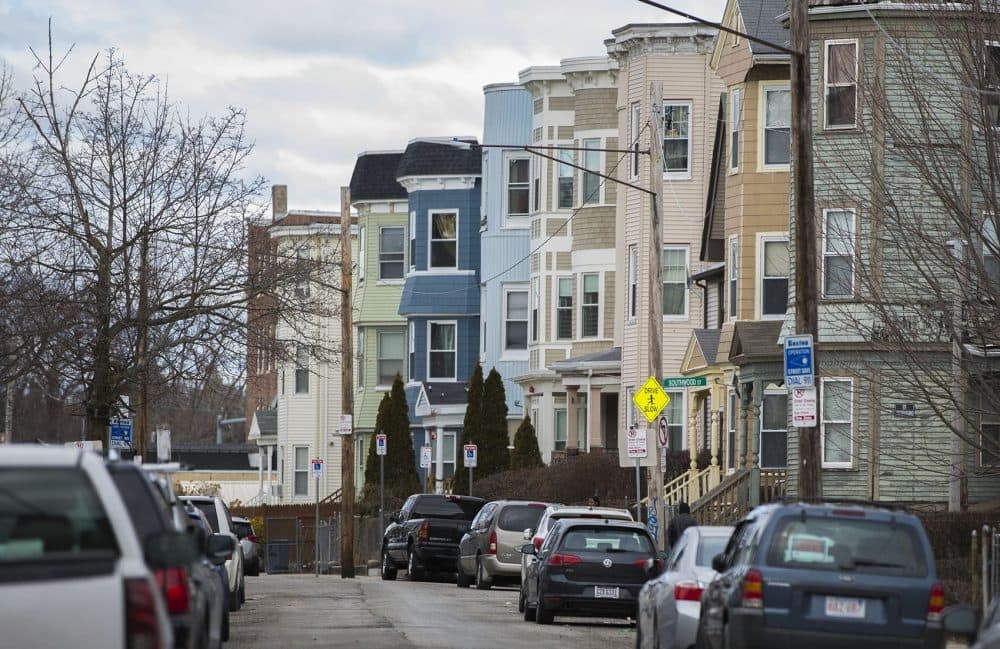
Across Massachusetts, rising housing costs continue to place enormous strain on low-income families. A new report from the Boston Foundation and the Massachusetts Association of Community Development Corporations highlights a critical, but often overlooked, part of the housing crisis: the loss of [Naturally Occurring Affordable Housing] (NOAH) in the private rental market.
These are apartments that are not subsidized but are more affordable than other market-rate units. For many families, they are the only housing option available. Two-thirds of low-income renters in Massachusetts live in privately-owned housing which is currently affordable but is unregulated and when these properties change hands, rents can rise and families can be pushed closer to housing insecurity and displacement.
According to this new report – “In hot real estate markets, such as most of the City of Boston, investors often pay more for NOAH properties and are more likely to significantly raise rents. According to a recent announcement from the Mayor’s Office of Housing, a third of multi-family properties in Mattapan, Dorchester, and Roxbury are being purchased by private investors, which greatly raises the risk of displacement.”
The scale of NOAH unit loss is significant. Between 2012 and 2022, Massachusetts lost more than 163,000 rental units with monthly rents below $1,400. While building new affordable housing is essential, the report makes clear that preserving existing rental units and their affordability is just as important, especially in dense communities where available land is limited.
Community development corporations (CDCs) play a key role in preserving affordable housing. These nonprofit organizations acquire and manage properties in the private market, helping to stabilize rents and prevent displacement. CDCs can access a variety of funding sources, including public financing programs, flexible loans, and philanthropic investments, allowing them to act quickly when properties become available. This model keeps housing under mission-driven ownership rather than private, profit-driven landlords, giving communities greater control over their neighborhoods and increased housing security for the residents.
At Lend A Hand Society, we see families and individuals facing impossible choices between paying for their rent, food, and other basic needs. Safeguarding affordable housing helps prevent crises before they begin and supports long-term stability for all people across Greater Boston.
Also see article on WGBH newsletter.